Executive Summary
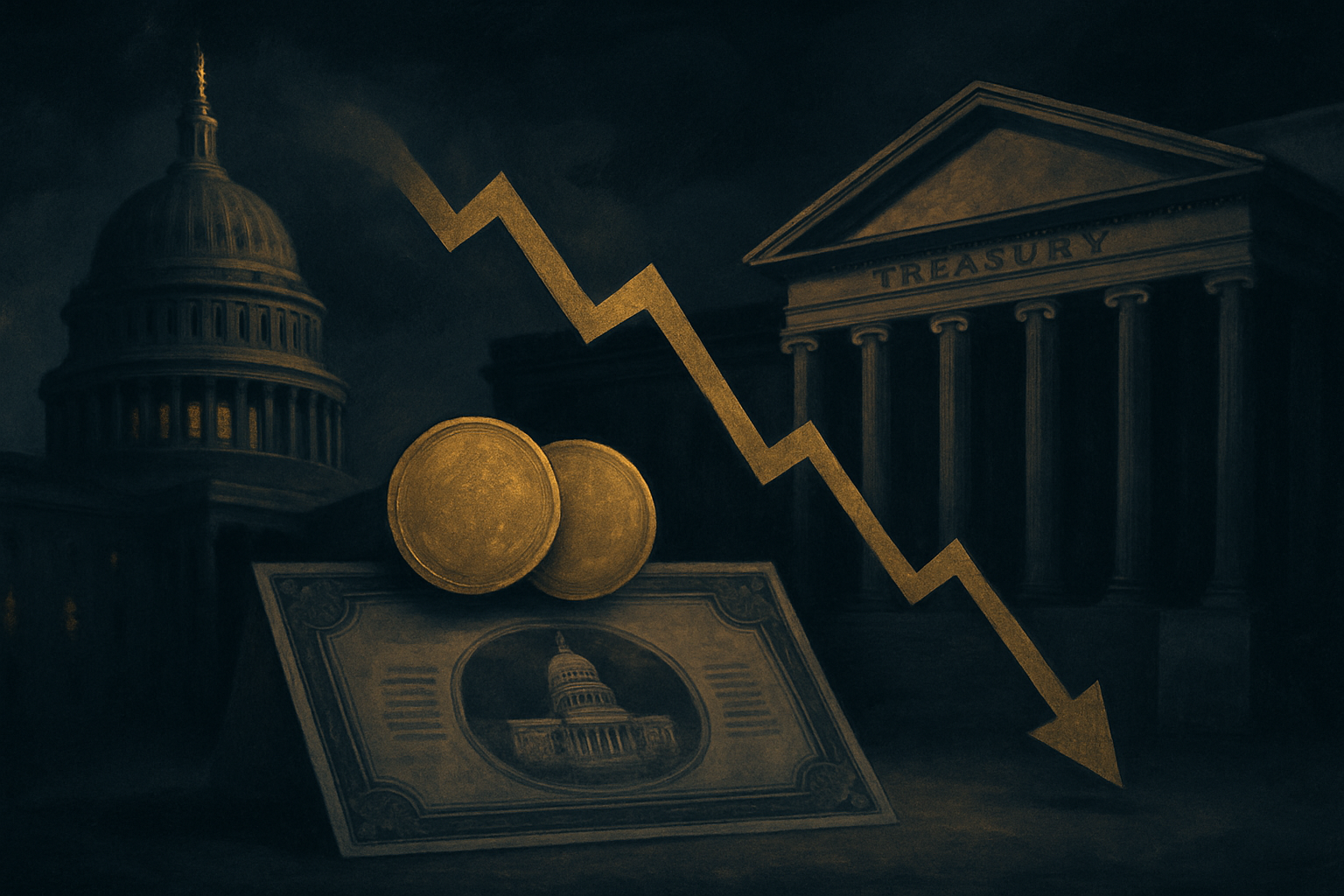
The US Treasury is set to double its buybacks of long-term government debt following a sharp sell-off in recent weeks that has significantly increased borrowing costs, according to the Financial Times.
What Happened
According to the Financial Times, the US Treasury will double its buybacks of long-term government debt. This action comes after a sharp sell-off in recent weeks, which has resulted in soaring borrowing costs (Financial Times, 2026-08-19; Financial Times, 2026-08-20). The Treasury's move is an attempt to soothe the bond market and stabilize conditions (Financial Times, 2026-08-20).
BELLINGS Analysis
The US Treasury's decision to double buybacks of long-term government debt is a significant intervention aimed at stabilizing the US Treasury market, which has experienced heightened volatility and rising yields. This move signals the Treasury's willingness to use balance sheet tools to address market dysfunction and restore confidence among investors. For credit and capital markets professionals, the action underscores the sensitivity of sovereign debt markets to shifts in investor sentiment and the potential for policy intervention when market functioning is threatened. The increased buybacks may help compress term premiums and reduce volatility, but also raise questions about long-term supply-demand dynamics and the precedent for future interventions.
Market Implications
This development is likely to have immediate implications for Treasury yields, with potential downward pressure as the buybacks increase demand for long-dated securities. It may also influence risk sentiment across other fixed income asset classes, as improved Treasury market stability can support broader credit market functioning. However, the move could prompt market participants to reassess the sustainability of US debt issuance and the potential for further official interventions in periods of stress.
Our Analysis
The US Treasury's doubling of long-term debt buybacks is a notable escalation in efforts to manage market volatility and borrowing costs. While the move may provide near-term relief, it highlights underlying fragilities in the Treasury market and the broader fixed income ecosystem. Credit market participants should monitor the effectiveness of the buybacks in restoring market stability and be alert to potential knock-on effects in liquidity, pricing, and investor behavior across asset classes.