Executive Summary
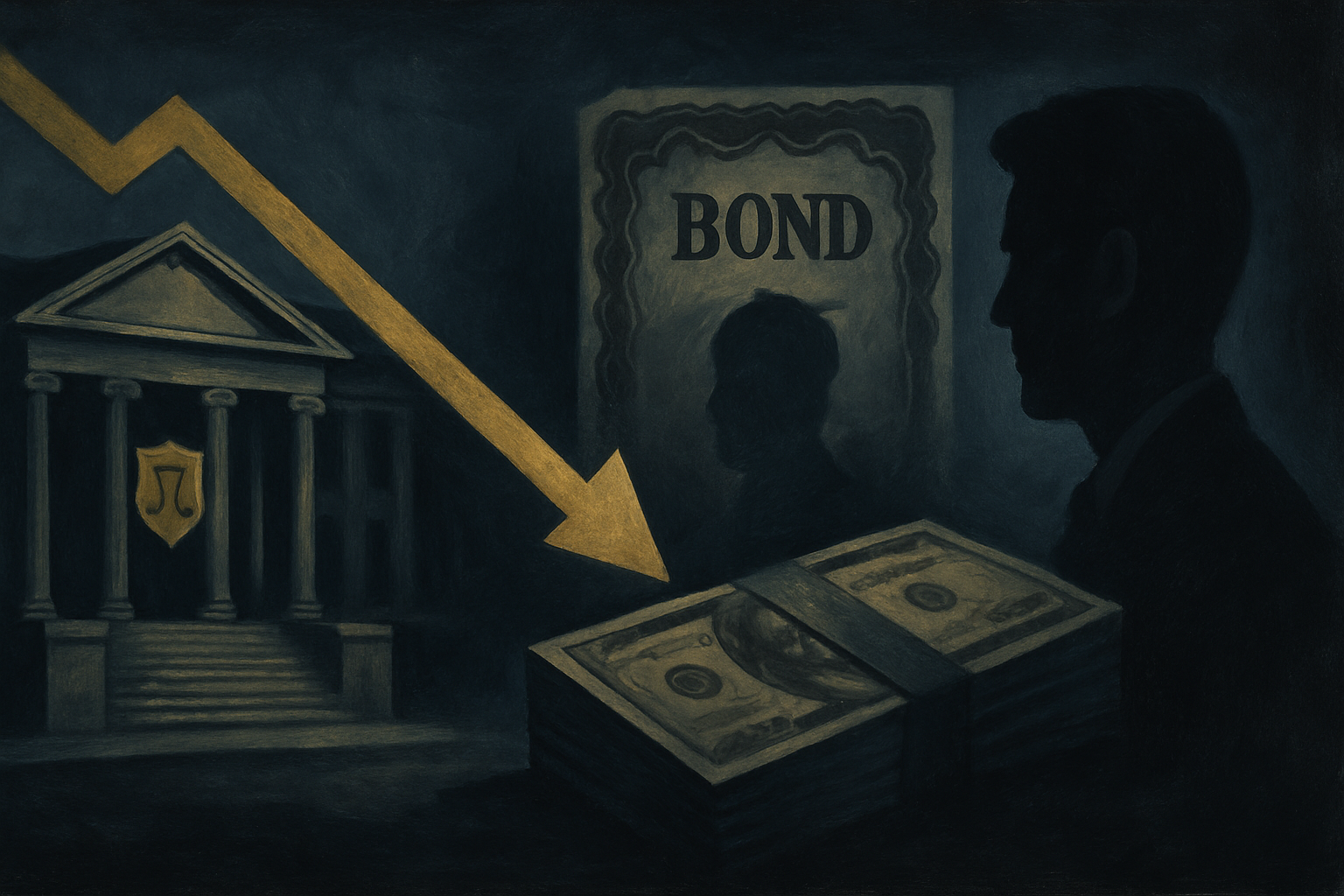
The Treasury Department has taken steps that resulted in lower long-term US bond yields, a development that may complicate the policy environment for Kevin Warsh, according to Yahoo Finance.
What Happened
Yahoo Finance reports that the Treasury Department has acted to push down long-term US bond yields. The report notes that this shift could make Kevin Warsh's job more difficult, though it does not specify his current role or the precise mechanisms by which the Treasury influenced yields.
BELLINGS Analysis
Based on the available information, the Treasury Department's intervention in the long end of the US yield curve signals a potentially more active approach to managing borrowing costs and market expectations. For credit and capital markets professionals, such moves can distort traditional signals from the yield curve, complicate duration and risk management, and affect pricing for a wide range of fixed-income assets. If Kevin Warsh is in a monetary policy or regulatory role, lower long-term yields could constrain his policy toolkit, particularly if he is seeking to normalize rates or address inflation expectations. This development should be viewed in the context of ongoing debates about fiscal dominance, market functioning, and the intersection of Treasury operations with central bank policy.
Market Implications
A Treasury-driven decline in long-term yields may lower borrowing costs for corporates and households in the near term, but could also compress net interest margins for lenders and complicate asset-liability management for institutional investors. It may also prompt reassessment of curve trades and hedging strategies, especially if the move is perceived as policy-driven rather than market-driven. The impact on risk assets will depend on whether lower yields are seen as supportive or as a signal of policy intervention amid underlying market fragility.
Our Analysis
Given the limited detail in the source, it is clear that the Treasury Department's actions have immediate consequences for the yield curve and policy environment, but the precise mechanisms and broader ramifications remain unclear. Market participants should monitor for further signals from both the Treasury and policymakers such as Kevin Warsh, as the interplay between fiscal operations and monetary policy could shape market volatility and credit conditions in the coming quarters.