Executive Summary
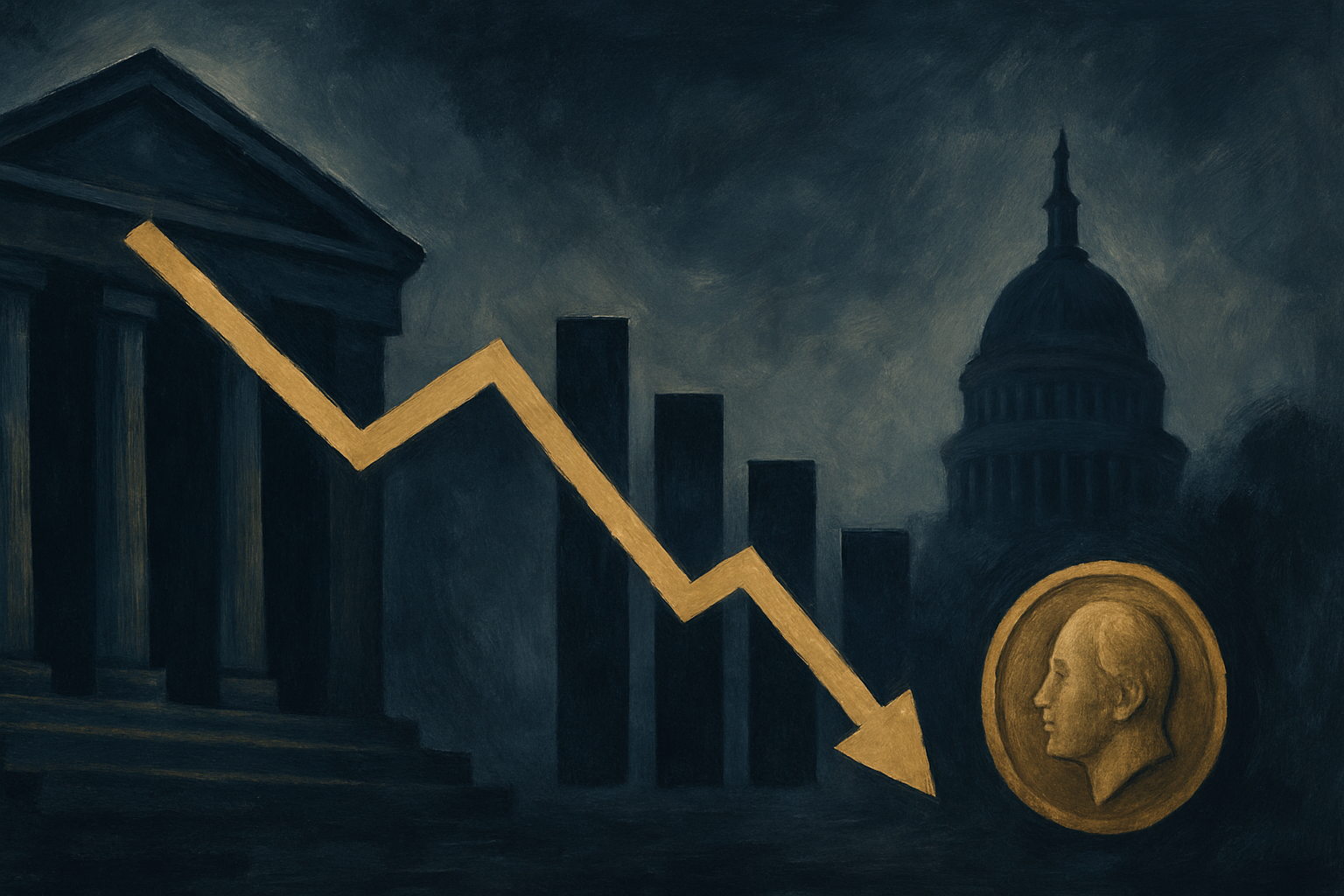
The U.S. stock market, including the Dow Jones index, declined after Federal Reserve Chair Kevin Warsh delivered a hawkish speech. Technology giant Nvidia experienced a reversal in its stock price. The market moves come as participants await the upcoming jobs report, according to Investor's Business Daily.
What Happened
- The Dow Jones index and broader stock market fell following a hawkish speech by Federal Reserve Chair Kevin Warsh (Investor's Business Daily).
- Nvidia, a major technology stock, experienced a notable decline (Investor's Business Daily).
- The market is anticipating the release of the latest employment (jobs) report (Investor's Business Daily).
BELLINGS Analysis
The market's negative reaction to Chair Warsh's hawkish speech signals heightened sensitivity to monetary policy expectations, particularly in the lead-up to key economic data releases. The reversal in Nvidia, a bellwether for technology and growth equities, underscores the vulnerability of high-valuation sectors to shifts in rate outlooks. This episode highlights the continued linkage between Federal Reserve communications, interest rate expectations, and risk asset performance. The timing ahead of the jobs report amplifies uncertainty, as labor market data could further influence rate path projections and credit conditions.
Market Implications
A hawkish tone from the Federal Reserve Chair increases the perceived probability of tighter monetary policy, which can raise risk premia across asset classes and pressure both equity and credit valuations. The sell-off in major indices and high-profile stocks like Nvidia may prompt broader risk-off positioning, potentially affecting demand for new issuance in both investment grade (IG) and high yield (HY) credit markets. The upcoming jobs report is likely to serve as a catalyst for further repricing, particularly if it alters expectations for the Federal Reserve's policy trajectory.
Our Analysis
Professionals should monitor the interplay between Federal Reserve communications, upcoming economic data, and market volatility. The swift reaction to Chair Warsh's speech demonstrates that even incremental changes in policy tone can have outsized effects on both equity and credit markets, especially in a late-cycle environment. The focus on the jobs report suggests that labor market resilience or weakness will be pivotal for near-term direction in rates and risk assets. This development reinforces the need for active risk management and scenario planning in credit portfolios.