What Happened
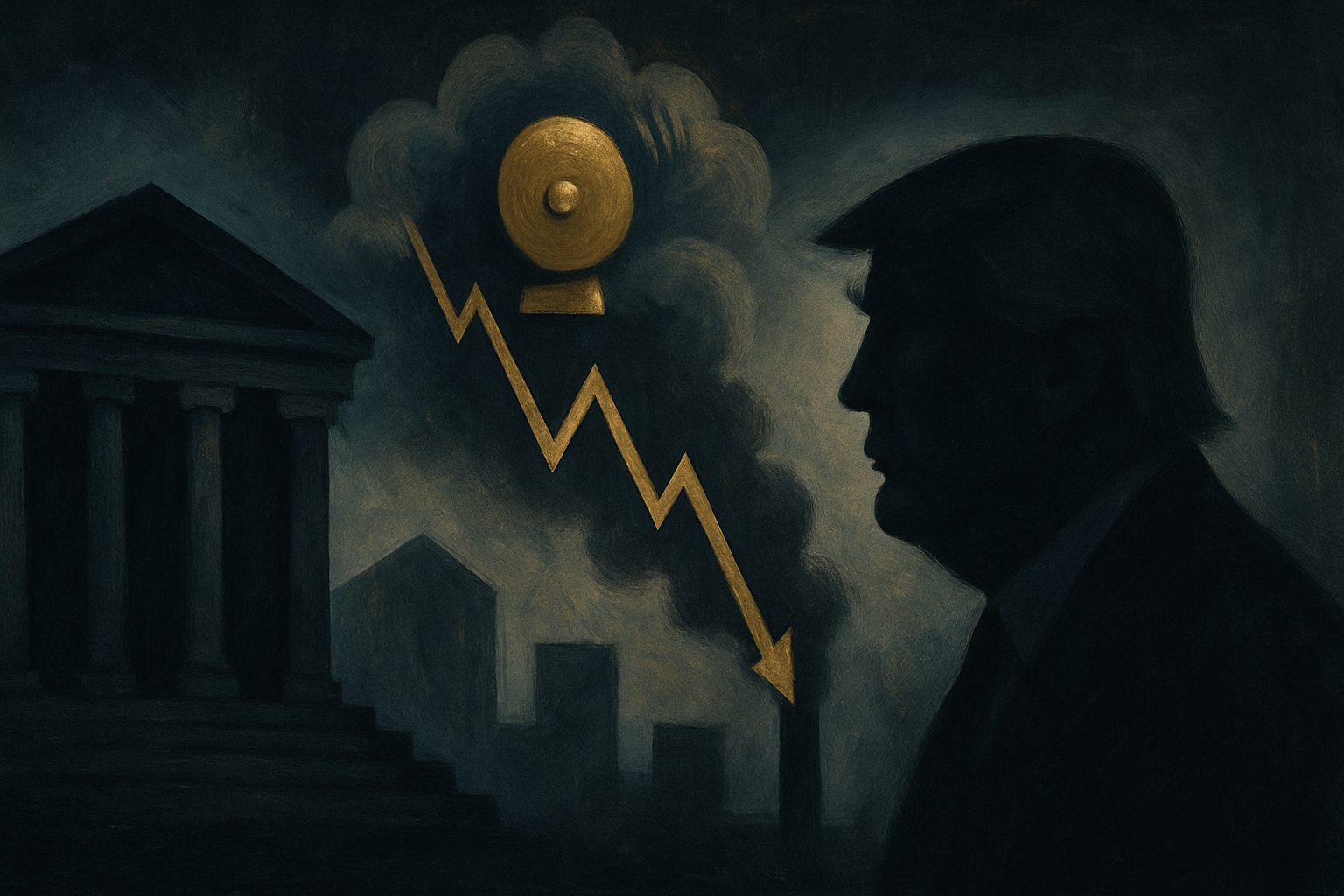
According to reports from The Motley Fool and Nasdaq, the stock market has sounded an alarm as investors respond to adverse economic news associated with President Trump's policies. Both sources highlight that inflation, particularly PCE inflation, has accelerated this year, influenced by the administration's actions such as tariffs and geopolitical tensions with Iran. This inflationary environment has increased the probability of interest rate hikes.
Why This Matters
The principal causal mechanism is the transmission of inflationary pressures into monetary policy adjustments. Rising inflation, driven by policy-induced supply shocks and geopolitical risks, typically prompts central banks to consider tightening monetary policy through interest rate increases. Such hikes affect borrowing costs, asset valuations, and investor risk assessments.
BELLINGS Analysis
If the inflation acceleration linked to President Trump's economic decisions is reflected in central bank policy, it could lead to higher interest rates. This scenario would impact financial actors including equity investors and fixed income holders by increasing discount rates and reducing present values of future cash flows. Equity valuations, already described as expensive by historical standards, may face downward pressure. Additionally, higher rates could affect corporate debt servicing costs and refinancing conditions, influencing underwriting assumptions and covenant headroom for issuers.
What to Watch
Key confirmation points include upcoming inflation data releases such as the Consumer Price Index (CPI) and Personal Consumption Expenditures (PCE) reports, central bank policy statements or rate decisions, and earnings releases that may reflect cost pressures. Monitoring these will clarify whether inflation trends persist and if monetary policy adjustments materialize, thereby validating or mitigating the current market alarm.