Executive Summary
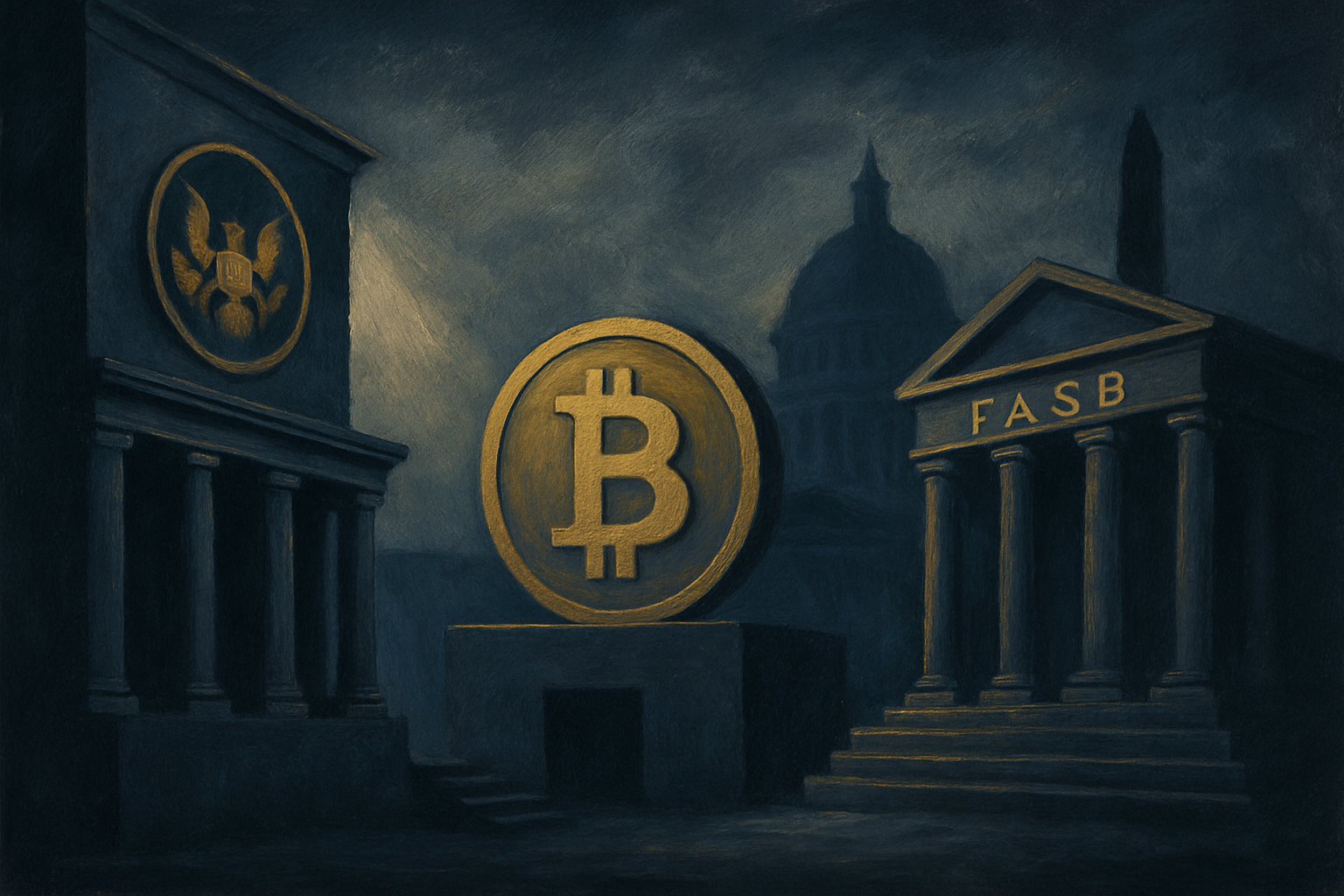
The Securities and Exchange Commission (SEC) and the Financial Accounting Standards Board (FASB) have both moved forward with separate proposals intended to provide regulatory relief and clarity for the cryptocurrency sector. This regulatory action comes as legislative progress, notably on the Clarity Act, has stalled, according to CFO Dive and Payments Dive.
What Happened
- The SEC and FASB advanced separate proposals on Tuesday that could provide the crypto sector with some regulatory relief (CFO Dive).
- These proposals are seen as potentially offering clarity and relief to the cryptocurrency industry while legislative efforts, such as the Clarity Act, have stalled (CFO Dive; Payments Dive).
- Payments Dive notes that the regulatory proposals include a focus on stablecoin rules.
BELLINGS Analysis
The advancement of separate proposals by both the SEC and FASB signals a willingness by key regulatory bodies to address gaps in crypto oversight and accounting standards in the absence of legislative progress. For credit and capital markets professionals, this suggests that regulatory clarity may emerge through administrative action rather than Congressional legislation in the near term. The focus on stablecoins is particularly relevant, given their growing use in payments and as collateral in decentralized finance (DeFi) and other financial structures. This regulatory movement may reduce uncertainty for issuers, investors, and corporate treasurers with crypto exposure, potentially lowering perceived risk premiums and improving access to capital for crypto-related firms.
Market Implications
If implemented, these proposals could lead to more consistent treatment of digital assets in financial reporting and compliance, which may in turn facilitate broader institutional participation in the crypto sector. The regulatory relief may also support the development of new crypto-linked financial products and reduce operational risk for market participants. However, the lack of legislative progress means that regulatory uncertainty is not fully resolved, and market participants should continue to monitor for further developments.
Our Analysis
The SEC and FASB's actions reflect a pragmatic approach to addressing regulatory gaps while Congress remains gridlocked. For institutional investors and corporate finance professionals, this development is significant as it may pave the way for more robust risk assessment and capital allocation strategies involving digital assets. The focus on stablecoins is timely, given their systemic relevance and integration into broader financial markets. However, the ultimate impact will depend on the specifics of the proposals and the speed of their implementation. Without legislative backing, regulatory approaches may remain fragmented, and ongoing vigilance is warranted.